
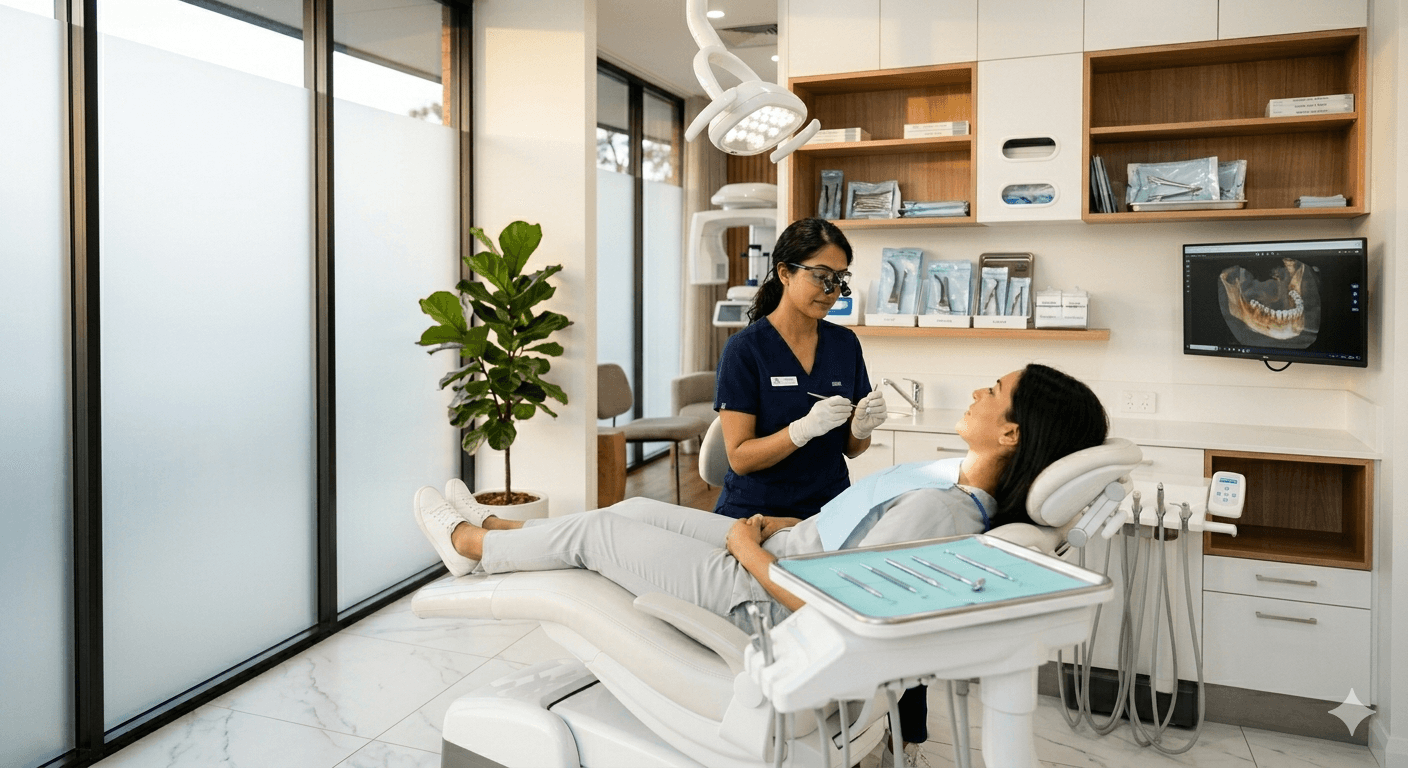
When dental emergencies strike in Tucson, AZ, knowing where to turn can make all the difference in comfort and recovery. An emergency dentist in Tucson is ready to provide prompt care for sudden pain, injuries, or issues that can’t wait for a regular appointment. Whether it’s a knocked-out tooth, severe toothache, or broken filling, their goal is to relieve pain quickly and prevent further damage.
Many local clinics offer flexible hours and same-day visits to help patients avoid unnecessary stress. With modern tools and techniques, emergency dentists focus on gentle, effective treatment to get people back to feeling their best. Understanding what qualifies as a dental emergency can help residents act quickly and seek the right care without hesitation.
Recognizing Dental Emergencies
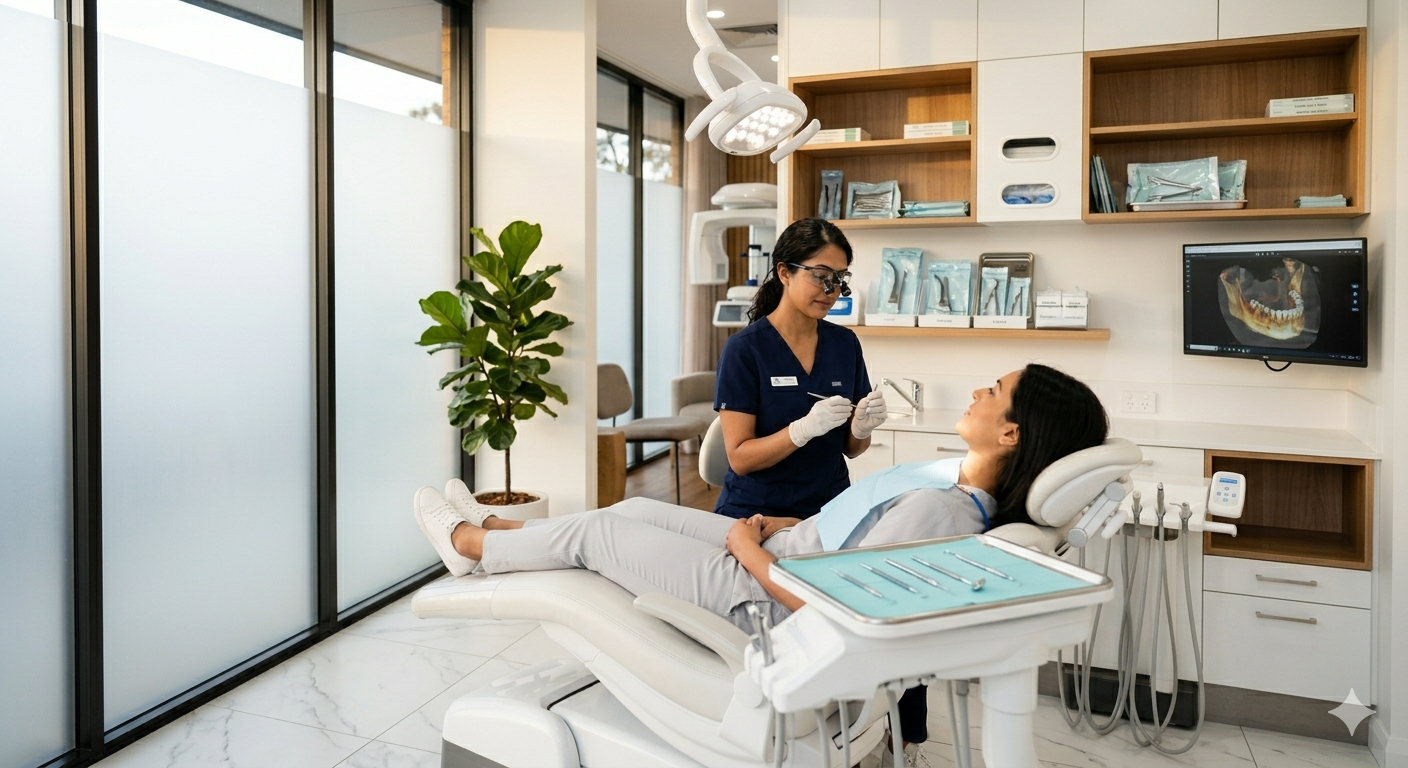
Recognizing when dental issues require urgent attention can prevent complications and ease discomfort. Some problems demand immediate care, while others allow for scheduled visits. Knowing which signs to watch for and how to respond at home is essential for managing dental emergencies effectively.
Common Signs and Symptoms
Severe tooth pain that doesn’t improve with over-the-counter medication often signals a problem needing dental care. Swelling in the gums or face, bleeding that won’t stop, or a loose or knocked-out tooth are clear signs of an emergency. Sensitivity to hot or cold that worsens quickly may indicate nerve damage or infection.
Other symptoms include a sudden crack or break in a tooth, a tooth that feels high or misaligned, and jaw pain restricting mouth opening. Recognizing these symptoms helps to identify urgent dental needs early and avoid worsening conditions.
When Immediate Care Is Essential
Immediate dental care is necessary if there is uncontrolled bleeding, severe pain, or a knocked-out tooth. A tooth completely knocked out can sometimes be saved if treated within an hour. Also, infections causing fever, swelling, or difficulty swallowing require urgent attention.
If a patient experiences trauma to the mouth with broken or loose teeth, immediate treatment reduces the risk of permanent damage. Sudden jaw injury or bite misalignment after an accident is also a signal to seek emergency care without delay.
Situations That Can Wait
Not all tooth pain demands an immediate visit. Mild discomfort, a small chip without pain, or loose dental restorations like crowns can usually wait for the next available appointment. Minor swelling without fever or spreading infection often improves with home care initially.
Discolored teeth, persistent bad breath, or a sensitive spot that doesn’t worsen rapidly are also less urgent. However, if these issues become more painful or show signs of infections, scheduling a visit promptly is recommended.
How to Respond at Home
For a knocked-out tooth, gently rinse it with water—avoid scrubbing—and keep it moist by placing it back in the socket or a container with milk. Apply a cold compress to reduce swelling in injuries with trauma.
Use over-the-counter pain relievers like ibuprofen to control pain and reduce inflammation but avoid placing aspirin directly on gums. If bleeding occurs, apply firm pressure with a clean cloth or gauze for 15 minutes.
Avoid eating hard or sticky foods and maintain gentle oral hygiene around the affected area until professional care is available. If swelling or pain worsens, contacting an emergency dentist promptly is important.
Types of Urgent Dental Issues
Certain dental problems demand prompt attention to prevent further complications. These issues often cause intense discomfort or may lead to permanent damage if left untreated.
Severe Toothaches
A severe toothache can signal infection, decay, or nerve damage. The pain might be constant or sharp when biting down, often worsening at night or with exposure to hot or cold temperatures. Immediate care is important because untreated infections can spread beyond the tooth.
Dentists typically examine the affected area, take X-rays if needed, and may prescribe antibiotics or perform a root canal to relieve pain and address the underlying cause. Pain relief at home can include over-the-counter painkillers and avoiding triggers like sugary or very hot foods.
Chipped or Knocked-Out Teeth
Chipped teeth not only affect appearance but can expose sensitive inner layers of the tooth, causing pain and increasing the risk of infection. A knocked-out tooth requires even more urgent attention, especially within the first hour to improve chances of saving it.
If a tooth is knocked out, it should be gently rinsed (without scrubbing) and kept moist, ideally in milk or saliva, until reaching the dentist. Treatment may involve reattachment for intact teeth or bonding and crowns for chips. Prompt professional care reduces the risk of further damage.
Broken Dental Restorations
Broken fillings, crowns, or bridges can lead to pain, infection, and difficulty eating. These restorations often wear down over time but sudden damage from biting hard foods or accidents can expose the tooth underneath.
Emergency dentists assess and repair damaged restorations to restore function and comfort. Temporary fixes may be applied until a permanent solution is ready. It’s important to avoid chewing on the damaged side and to seek dental care quickly to prevent worsening problems.
Modern Emergency Dental Treatments
Emergency dentists in Tucson use advanced techniques to provide quick relief and effective care when dental problems strike. From managing severe pain to restoring damaged teeth and treating infections, these treatments focus on patient comfort and fast recovery.
Pain Relief Options
Pain management is the first priority in dental emergencies. Dentists use a range of options, starting with local anesthesia to numb the affected area instantly during treatment. For intense pain, they may recommend over-the-counter medications like ibuprofen or prescribe stronger painkillers for short-term relief.
Cold compresses often accompany these treatments to reduce swelling and discomfort. In some cases involving severe trauma, sedation dentistry options such as nitrous oxide may be used to keep the patient calm and comfortable throughout the procedure.
Same-Day Restorative Procedures
Many emergency dentists offer same-day restorative solutions to fix broken or knocked-out teeth. These include dental bonding, where tooth-colored resin repairs chips and cracks quickly. For more severe damage, crowns or temporary fillings may be placed immediately to protect the tooth from further harm.
In cases of tooth loss, some clinics provide emergency dental implants or bridges to restore both function and appearance swiftly. Same-day care helps patients avoid prolonged discomfort and resume normal activities sooner.
Care for Infections
Dental infections require prompt attention to prevent serious complications. Emergency dentists will typically drain abscesses to relieve pressure and clean the infected area thoroughly. Antibiotics are a common part of the treatment plan to eliminate bacteria and control the infection.
If the infection has advanced deeply, root canal therapy may be necessary to save the tooth. Patients receive clear instructions on maintaining oral hygiene and follow-up care to support healing and prevent recurrence.
What To Expect During Your Visit
Visiting an emergency dentist in Tucson, AZ, involves clear steps designed to address urgent dental issues quickly and comfortably. The process includes a fast initial examination, compassionate care tailored to ease patient anxiety, and helpful information to guide recovery and future dental health.
Quick Assessment Process
When a patient arrives with a dental emergency, the dentist begins with a swift but thorough assessment. This includes reviewing the patient’s symptoms, dental history, and any recent trauma. The goal is to identify the root cause quickly, whether it’s a cracked tooth, severe pain, or swelling.
Diagnostic tools like digital X-rays may be used right away to get a clear view of the affected area. This helps the dentist decide on the best immediate treatment. The entire assessment typically takes 15 to 30 minutes, aiming to reduce pain or prevent further damage as soon as possible.
Comfort-Focused Approach
Emergency dental visits can be stressful, so the dentist focuses on patient comfort from start to finish. They use gentle techniques, local anesthesia, and sometimes sedation to minimize pain during procedures. The team maintains a calm, friendly environment to help ease nervousness.
Soft music, warm blankets, and clear explanations at each step also help. Patients are encouraged to communicate any discomfort during treatment, ensuring the dentist adjusts methods as needed. This approach helps make urgent care more manageable and less intimidating.
Patient Support and Education
After treatment, the dentist provides clear aftercare instructions tailored to the specific emergency. This includes advice on pain management, eating habits, and signs that require a follow-up visit. Patients receive guidance on maintaining oral hygiene to prevent similar emergencies.
The dentist also discusses preventive strategies, such as using mouthguards or scheduling regular checkups. Educational materials or videos may be offered to reinforce key points. Patients leave the office feeling informed and supported in their recovery journey.
Preparing for an Urgent Dental Appointment
When someone needs emergency dental care in Tucson, AZ, preparation can help ease stress and speed up treatment. Collecting important information before the appointment is a good first step. This includes personal details, dental insurance information, and a list of current medications.
It’s helpful to note specific symptoms, such as pain level, swelling, or bleeding. Writing down when the problem began provides useful context for the dentist. Bringing any recent dental records or X-rays can also assist the dentist in making a quick diagnosis.
Patients should avoid eating or drinking if there is a chance they will need anesthesia or sedation. Wearing comfortable clothing and arriving a few minutes early allows time to complete any necessary paperwork.
Here’s a quick checklist for what to bring:
| Item | Why It’s Important |
|---|---|
| ID and Insurance Card | Verifies identity and coverage |
| List of Medications | Helps avoid drug interactions |
| Notes on Symptoms | Provides accurate background |
| Dental Records/X-rays | Speeds up diagnosis |
| Contact Information | For follow-up communication |
Knowing what to expect in an urgent dental visit—like quick pain relief and focused care—can make the experience less daunting. Encouraging patients to ask questions and share concerns helps build trust and comfort during treatment.
Choosing the Right Dental Practice in Tucson
Finding a dental practice that fits your needs involves more than just location or hours. A good emergency dentist in Tucson combines trustworthiness, personalized care, and strong community ties to ensure you’re in safe hands when urgency strikes.
Qualities of a Trustworthy Provider
Trust starts with credentials and experience. A dependable emergency dentist in Tucson should be licensed, board-certified, and have a solid track record handling urgent dental cases like severe toothaches, broken teeth, or infections.
Look for dentists who use clear communication and take time to explain your treatment options. Transparency about costs and procedures helps avoid surprises. A practice with modern equipment and up-to-date infection control standards also shows commitment to quality care.
Reviews and ratings from past patients provide insight, but firsthand impressions during a visit often confirm whether a dentist is calm, professional, and responsive under pressure.
Personalized Patient Care
Every dental emergency is unique, so personalized care is crucial. A practice that offers tailored treatment plans based on your medical history, pain levels, and lifestyle can relieve anxiety and speed recovery.
Dentists who listen carefully to symptoms and concerns often catch problems early and recommend the least invasive solutions first. Follow-up appointments and clear aftercare instructions make healing smoother.
Many Tucson dentists now integrate sedation options and pain management techniques to keep patients comfortable, making emergency visits less stressful and more manageable.
Community Recommendations
Local word-of-mouth remains one of the best ways to find a reliable emergency dentist. Recommendations from neighbors, friends, or coworkers highlight practices known for swift, effective care.
Community dental clinics or support groups often share trusted provider lists for urgent needs. Checking with Tucson health organizations or dental societies can also point to reputable practices.
Many emergency dentists participate in local events or educational programs, showing they care beyond individual treatment — a sign they value patient relationships and community well-being.
Preventing Future Dental Emergencies
Taking steps to protect your teeth daily and using proper safety gear can significantly reduce the chance of dental emergencies. Keeping regular appointments helps catch problems early before they turn urgent.
Everyday Oral Care Tips
Good habits are the foundation of a healthy smile. Brushing teeth twice a day with fluoride toothpaste helps remove plaque and reduce decay risk. Flossing daily reaches the spots your brush misses, preventing gum disease and cavities.
Avoid using teeth as tools to open packages or bite hard objects like ice or pens. These actions can chip or crack teeth, leading to emergencies. Drinking plenty of water also helps wash away food particles and balances mouth pH to protect enamel.
Mouthguard Use and Protection
Wearing a mouthguard during sports or physical activities cushions the teeth and soft tissues from impact. Custom-fitted mouthguards from a dentist offer the best protection compared to store-bought versions, which may fit poorly.
For those who grind their teeth at night (bruxism), a nightguard can prevent worn enamel, tooth fractures, and jaw pain. Proper protection limits damage and avoids dental emergencies caused by trauma or grinding stress.
Importance of Regular Checkups
Routine dental visits every six months allow early detection and treatment of dental issues. Professional cleanings remove plaque buildup that daily brushing can’t eliminate, lowering infection risk.
Dentists can spot weak spots, decay, or gum inflammation before they escalate into emergencies. They provide personalized advice based on your unique oral health, reinforcing daily care and injury prevention methods.
Next Steps for Tucson Residents
If a dental emergency happens, Tucson residents should act quickly but stay calm. First, they need to assess the severity of the issue. If there’s severe pain, bleeding, or a knocked-out tooth, they should seek immediate care.
It helps to have a list of local emergency dentists saved ahead of time. Many clinics offer same-day appointments or after-hours service. This can make a big difference when a toothache or injury strikes outside normal office hours.
Residents should also gather important information before the visit. This includes any dental records, a list of current medications, and a clear description of symptoms. Being prepared helps the dentist provide faster, more accurate care.
Here’s a simple checklist for emergencies:
| Step | Action | Tip |
|---|---|---|
| 1 | Rinse mouth with warm water | Avoid harsh rinses |
| 2 | Apply cold compress if swollen | Reduce pain and swelling |
| 3 | Use dental floss for stuck debris | Avoid poking or prodding |
| 4 | Contact an emergency dentist | Call ahead to confirm availability |
Finally, regular dental visits remain important. Preventive care reduces emergencies by catching problems early. Tucson residents are encouraged to maintain good oral hygiene and check in with their dentist regularly to keep their smiles healthy and strong.
Frequently Asked Questions
Knowing when to seek urgent dental care and how to handle sudden dental problems can save you discomfort and prevent complications. Immediate steps, weekend availability, and insurance concerns all factor into managing dental emergencies effectively.
How do I know if my tooth pain is a true emergency or something that can wait until tomorrow?
Severe, persistent pain, swelling, or bleeding usually signals an emergency. If pain is mild or occasional, waiting until the next day may be okay, but worsening symptoms always require prompt attention.
What should I do right now if I crack a tooth or lose a filling and I’m in pain?
Rinse your mouth gently with warm water and avoid chewing on the affected side. Use over-the-counter pain relief and cover sharp edges with dental wax or sugarless gum until you can see a dentist.
Can I be seen for an urgent dental problem on a Saturday or Sunday?
Many Tucson dental offices offer weekend emergency hours or can direct patients to after-hours care. Calling ahead is important to confirm availability and get instructions for your specific situation.
What are my options if I need urgent dental care but don’t have insurance?
Dental clinics may provide sliding-scale fees or payment plans. Some urgent care dentists also offer financing or can prioritize treatment to manage immediate pain, followed by less costly repairs later.
If I go to urgent care for a tooth problem, what can they actually do to help?
Urgent care centers can usually manage pain and provide antibiotics if there’s an infection, but they typically cannot perform dental procedures. They’ll advise you to see a dentist for definitive treatment.
When is a same-day tooth extraction the safest option, and what should I expect during the visit?
Same-day extraction is recommended when a tooth is severely damaged, infected, or causing intense pain that can’t be relieved otherwise. The dentist will numb the area, perform the extraction carefully, and give aftercare instructions to ensure comfort and healing.