
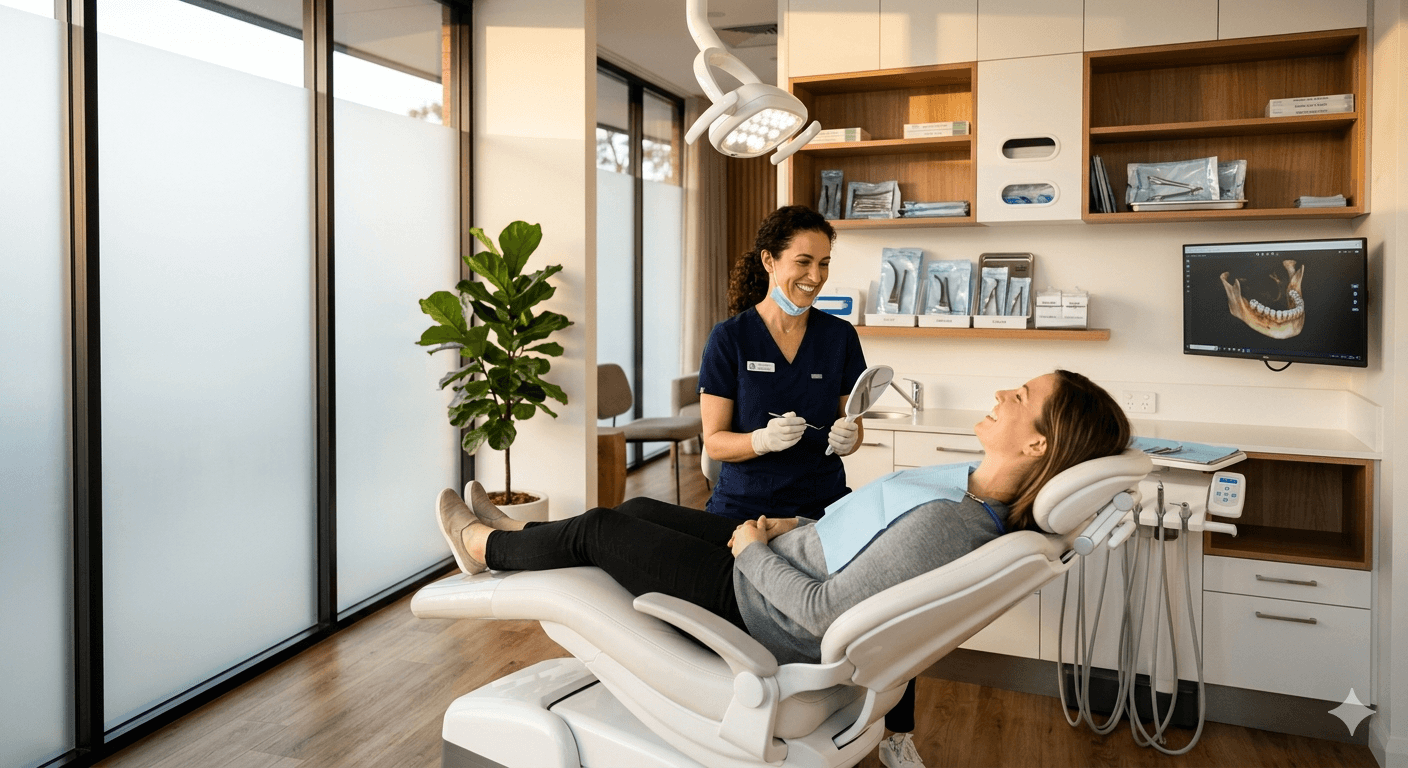
Teeth whitening in Tucson, AZ offers a straightforward way to brighten your smile safely and effectively. Many local dental offices provide professional treatments that remove stains caused by foods, drinks, and everyday wear. Professional whitening is faster, more reliable, and gentle on your teeth compared to over-the-counter products.
Tucson’s sunny climate means many people enjoy outdoor activities but also face exposure to factors that can discolor teeth. Modern whitening methods focus on patient comfort while delivering visible results, making it easier to feel confident in your smile. Dentists also tailor treatments to individual needs, ensuring safe and lasting improvements.
For those considering teeth whitening, understanding the options and how they work can reduce anxiety and help make an informed choice. If questions arise or specific concerns come up, a quick consultation with a local dental expert can provide reassurance and clarify next steps.
Understanding Tooth Discoloration
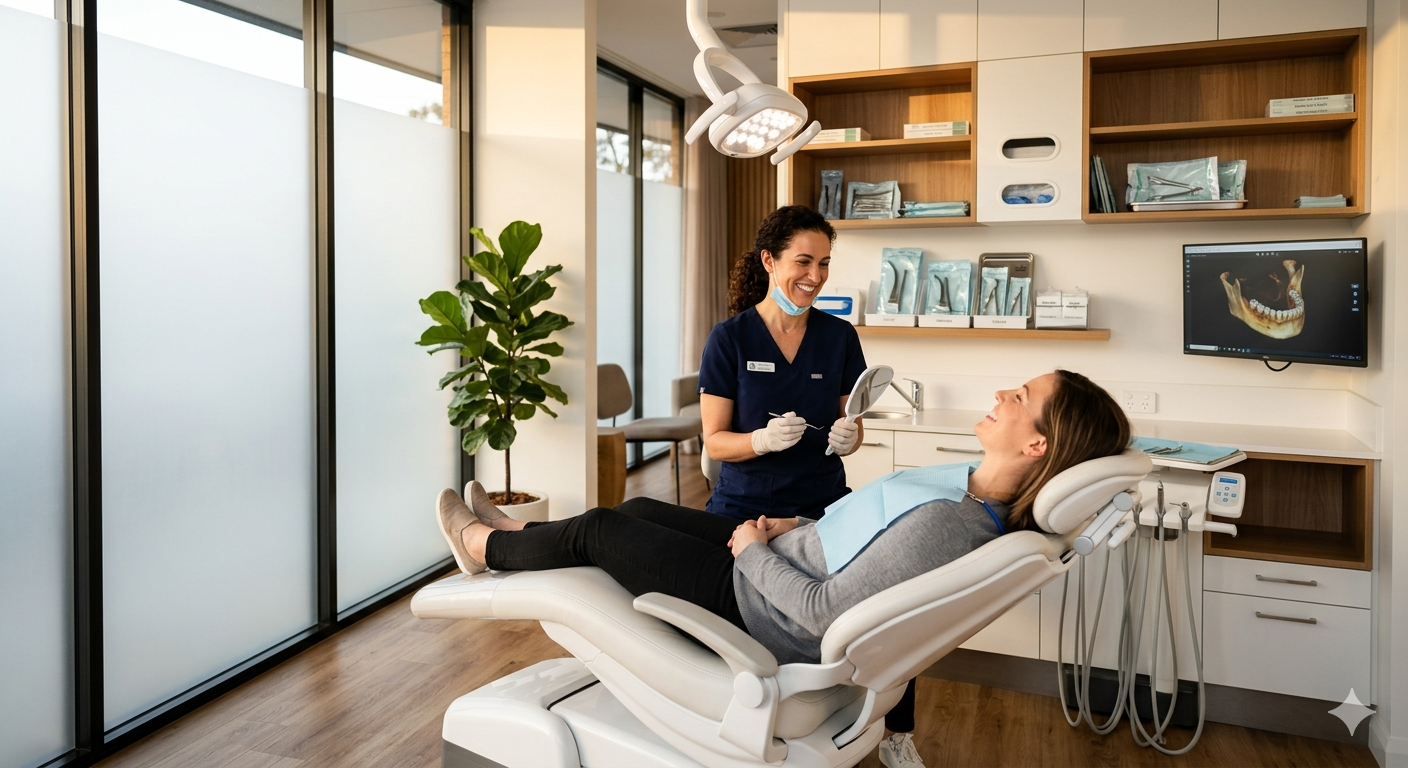
Tooth discoloration happens for a variety of reasons and takes different forms. Knowing what causes staining, the specific types involved, and how teeth change over time helps patients make informed decisions about whitening options.
Common Causes of Stained Teeth
Several everyday habits contribute to tooth discoloration. Drinking coffee, tea, red wine, or cola regularly deposits dark pigments on the tooth surface. Tobacco use—smoking or chewing—adds stubborn yellow and brown stains that are harder to remove.
Certain medications, like tetracycline antibiotics taken during childhood, can cause deep internal staining. Poor dental hygiene allows plaque and tartar buildup, which darkens teeth. Aging also plays a role, as enamel thins and the yellowish dentin underneath becomes more visible.
Environmental factors such as excessive fluoride during childhood may cause white or brown spots called fluorosis. Understanding these causes helps tailor whitening treatments for the best results.
Types of Tooth Staining
There are two main types of tooth stains: extrinsic and intrinsic. Extrinsic stains develop on the enamel surface from foods, drinks, or habits like smoking. These stains often respond well to professional cleanings and whitening treatments.
Intrinsic stains occur inside the tooth, under the enamel. They result from trauma, certain antibiotics, excessive fluoride, or internal discoloration due to aging. Intrinsic stains are more challenging to whiten and may require specialized treatments such as bonding, veneers, or internal bleaching.
The distinction is key because extrinsic stains tend to be easier and faster to treat, while intrinsic discoloration may need a more tailored approach by dental professionals.
How Discoloration Develops Over Time
Tooth discoloration rarely happens overnight. It usually builds up gradually as teeth are exposed to staining agents repeatedly. Enamel, the hard outer layer, is porous and can trap pigments, causing surface stains.
With age, enamel naturally thins and wears down, revealing more of the yellow dentin inside. This deepening color change often makes whitening more challenging for older adults. Daily habits, combined with enamel erosion and natural aging, accelerate the staining process.
Regular dental check-ups and timely whitening treatments can slow discoloration and keep teeth looking brighter longer.
Popular Whitening Treatments Near Tucson
Many Tucson patients explore different whitening methods to brighten their smiles safely and effectively. Options vary by convenience, cost, and how quickly results appear.
In-Office Whitening Procedures
In-office whitening is done by dental professionals, usually in a single visit. This method uses a stronger bleaching agent than over-the-counter products, often enhanced with a special light or laser to speed up the process.
Patients appreciate seeing results in just one session, sometimes gaining several shades of whitening immediately. The treatment is carefully monitored to reduce sensitivity and protect gums. These procedures typically cost more but offer the benefit of professional supervision and fast, noticeable improvement.
Custom Take-Home Whitening Kits
Custom take-home kits are another choice offered by dentists in Tucson. These come with impression trays made to fit perfectly, ensuring the whitening gel covers each tooth evenly.
Users wear the trays for a prescribed time, usually daily over one to two weeks. Although results take longer than in-office treatments, many find them more convenient and comfortable. The gels used are professional strength but designed for safe use at home with guidance from the dental team.
Differences Between Professional and Store-Bought Options
Store-bought whitening products are widely accessible and lower in cost. However, their bleaching agents are weaker and may not mold to individual teeth, leading to uneven whitening and higher sensitivity risk.
Professional options use stronger, dental-grade ingredients that deliver more reliable results. Custom trays or in-office care minimizes gum irritation and ensures even whitening. For lasting effects and safety, many Tucson dentists recommend professional treatments over drugstore kits.
What To Expect During a Whitening Appointment
A teeth whitening appointment in Tucson, AZ, is designed to be straightforward and comfortable. Patients can expect a clear plan tailored to their smile goals, a careful treatment process, and attentive care throughout to make the experience safe and pleasant.
Initial Assessment and Smile Goals
At the start, the dentist reviews the patient’s dental health, checking for cavities or gum issues that could affect whitening. This step ensures it’s safe to proceed and helps avoid sensitivity or damage.
Next, the dentist discusses desired results. Patients can share their smile goals, and the dentist will explain realistic outcomes based on tooth color and previous dental work. This helps set clear expectations. They may also take photos or use shade guides to track progress.
Treatment Process Step By Step
The whitening begins with cleaning the teeth to remove surface stains and plaque. Then, a protective barrier is applied to gums to prevent irritation.
Next, the whitening gel is carefully placed on the teeth. Depending on the product used, a special light or laser may be applied to activate the gel. This process usually takes 15–30 minutes and can be repeated as needed during the session.
Afterward, the gel is removed, and teeth are rinsed. The dentist may evaluate the shade and discuss follow-up care or additional sessions if required.
Ensuring Your Comfort and Safety
Throughout the appointment, patient comfort is a top priority. Dentists use gentle techniques and monitor sensitivity levels closely.
If sensitivity arises, they can apply protective solutions or suggest special toothpaste to use before and after treatment. Safety measures include using professional-grade products tested for effectiveness and minimal side effects.
Staff often offer supportive reassurance and answer any questions, making the experience relaxed and manageable for every patient.
Longevity and Maintenance of Your Brighter Smile
Maintaining a bright smile after whitening means understanding how long results typically last and adopting daily habits that protect your teeth. Small adjustments can make a noticeable difference in keeping teeth looking fresh.
How Long Whitening Results Last
Whitening effects usually last between 6 months and 2 years, depending on several factors. The type of treatment—professional in-office or take-home kits—affects longevity. In-office treatments tend to offer more immediate and longer-lasting results.
Individual habits also play a role. Regular consumption of coffee, tea, red wine, or tobacco can cause stains to return sooner. People with good oral hygiene and minimal stain exposure generally enjoy lasting brightness closer to the two-year mark.
Touch-up treatments may be recommended every 6 to 12 months. These can help maintain the shade without repeating the full procedure, reducing sensitivity risks and keeping the smile vibrant.
Tips To Preserve Whitening Effects
Simple daily habits improve the lifespan of whitening results. Brushing twice a day with a whitening toothpaste helps remove surface stains. Avoiding dark beverages or using a straw reduces direct contact with teeth.
Regular dental cleanings every 6 months not only support oral health but also clear away new stains. People should also consider quitting or cutting back on smoking, which accelerates discoloration.
At-home whitening touch-ups provided by the dentist are easy to apply and safe over time. Using these with guidance prevents over-whitening and maintains the desired shade comfortably.
Safety and Sensitivity Concerns
Teeth whitening can brighten smiles, but it’s important to be mindful of comfort and safety. Some treatments may cause temporary sensitivity or involve risks depending on the products used.
Managing Tooth Sensitivity
Tooth sensitivity during whitening happens because the enamel becomes temporarily more porous, allowing hot, cold, or sweet stimuli to reach the nerves. This sensitivity usually lasts only a day or two but can feel sharp or uncomfortable.
Dentists in Tucson often recommend using specially formulated toothpaste with potassium nitrate or fluoride before and after whitening. These ingredients help reduce sensitivity by calming the nerve endings.
Another tip is to avoid highly acidic or sugary foods during treatment since they can worsen sensitivity. If discomfort is strong or prolonged, it’s best to pause whitening and consult a dental professional.
Risks of Over-the-Counter Products
Over-the-counter (OTC) whitening kits are readily available but carry some risks. Many contain stronger bleaching agents without professional guidance, increasing the chances of gum irritation or uneven whitening.
Some OTC strips and gels can cause chemical burns if left on too long or applied improperly. Without an expert’s supervision, consumers may also overuse products, damaging enamel or causing permanent sensitivity.
It’s crucial to follow package instructions precisely and to stop use if experiencing pain or swelling. Consulting a Tucson dentist first can ensure the chosen product is safe and suitable for individual dental health.
Finding a Trustworthy Provider in Tucson
Choosing the right teeth whitening provider means focusing on qualifications, experience, and patient care. Knowing what to inquire about beforehand helps ensure the treatment is both safe and effective.
What To Look For in a Whitening Specialist
A reliable whitening specialist in Tucson should be a licensed dental professional, such as a dentist or dental hygienist with additional training in cosmetic procedures. Look for providers who use FDA-approved products and modern equipment to protect your enamel and gum health.
Experience matters. Specialists who have performed many whitening treatments will better manage sensitivity and customize the approach for your needs. Patient reviews and before-and-after photos can offer insight into a provider’s results and demeanor.
Comfort is key. The best providers explain options clearly and make sure you understand the process, risks, and expected outcomes before starting.
Questions To Ask Before Your Visit
Ask about the whitening methods offered, including in-office vs. take-home kits. Inquire about the concentration of whitening agents. Higher percentages may work faster but can increase sensitivity.
Find out if a dental exam or cleaning is required before treatment. This ensures your teeth and gums are healthy enough for whitening, reducing potential complications.
Check for pricing details and what the cost covers, like follow-up visits or touch-ups. Finally, ask how they handle any sensitivity or discomfort during and after the procedure to know what support to expect.
Lifestyle Tips for a Whiter Smile
Maintaining a bright smile involves making smart choices every day. Simple adjustments in diet and habits, combined with consistent oral care, can protect teeth from stains and keep whiteness lasting longer.
Diet and Habits That Affect Tooth Color
Certain foods and drinks cause stains over time. Coffee, tea, red wine, and dark sodas contain pigments that cling to enamel, dulling teeth. Smoking tobacco further accelerates discoloration and affects oral health.
To reduce staining, it helps to rinse the mouth with water after consuming these items. Crunchy fruits and vegetables like apples and carrots can naturally scrub teeth and boost saliva flow, which helps wash away particles.
Avoid frequent snacking on sugary or acidic foods. Acid wears down enamel, making teeth more prone to discoloration. Using a straw for dark drinks limits liquid contact with front teeth, preserving brightness.
Daily Oral Hygiene Recommendations
Brushing twice daily with a fluoride toothpaste is key to maintaining a white smile. It removes plaque, which can hold stains close to the enamel. A soft-bristled brush should be used to avoid enamel wear.
Flossing every day prevents buildup between teeth where brushes can’t reach. Using an anti-stain or whitening toothpaste a few times per week can support professional whitening efforts.
Regular dental cleanings every six months remove stubborn surface stains. A dentist can also recommend touch-up whitening treatments or products suited to each patient’s needs.
Exploring Alternatives to Whitening
When looking beyond traditional whitening, several options can improve the appearance of teeth with different benefits and considerations. Some offer immediate cosmetic changes, while others focus on natural methods that may take longer but avoid chemicals.
Cosmetic Bonding and Veneers
Cosmetic bonding involves applying a tooth-colored resin to cover stains and imperfections. It’s a quick, minimally invasive procedure that can improve the color and shape of teeth in one or two visits. Bonding is ideal for small discolorations or chips but might not last as long as other treatments.
Veneers are thin shells of porcelain or composite resin bonded to the front of teeth. They provide a more durable and dramatic transformation than bonding. Veneers resist stains well and can correct multiple aesthetic issues like severe discoloration, gaps, and minor misalignment. However, they usually require some enamel removal and a few dental appointments.
Both options offer a personalized look and can be tailored by a dentist to match your natural smile.
Natural Approaches and Their Effectiveness
Natural teeth-whitening methods include using baking soda, hydrogen peroxide rinses, or activated charcoal. These options are popular because they seem gentle and affordable.
Baking soda mildly abrasives the surface stain but can wear down enamel if used excessively. Hydrogen peroxide in low concentrations can whiten teeth but must be used carefully to avoid gum irritation. Activated charcoal may absorb surface stains, yet scientific support for long-term effectiveness is limited.
While natural methods can help maintain brighter teeth, they often lack the immediate and consistent results of professional treatments. It’s important to discuss any home remedies with a dentist to avoid damage.
Next Steps for a Confident Smile
After deciding on teeth whitening in Tucson, AZ, the first step is a consultation with a dental professional. This visit helps assess oral health and determines the best whitening method for each person. A dentist can also address any concerns about sensitivity or existing dental work.
Patients should maintain good oral hygiene to support lasting results. Brushing twice daily, flossing, and using a whitening toothpaste can help keep teeth bright. Regular dental check-ups are also important for monitoring oral health.
Here’s a simple checklist for what to do next:
- Schedule an appointment with a trusted Tucson dentist
- Discuss whitening options such as in-office or take-home kits
- Follow any pre-treatment recommendations given by the dental team
- Plan for follow-up care and maintenance to preserve the new smile
Choosing a dentist who prioritizes patient comfort can make the process easier. Modern techniques often reduce sensitivity and provide quicker results. This ensures the whitening experience feels safe and effective.
Encourage questions and open communication during visits. A knowledgeable dentist will guide through the process, ensuring every patient feels informed and confident.
Taking these steps helps create a smile that patients feel proud to share.
Frequently Asked Questions
Teeth whitening in Tucson covers a range of details about results, safety, and costs. Understanding how treatments differ and what to expect helps patients make confident choices for their smiles.
How long do whitening results typically last, and what can I do to keep my smile bright?
Whitening results usually last from six months up to two years. Avoiding foods and drinks that stain, like coffee and red wine, helps maintain brightness longer.
Regular touch-ups and good oral hygiene also extend whitening effects. Dentists may recommend occasional professional cleanings to support lasting results.
Is professional whitening safe for my enamel and gums?
Yes, professional whitening is generally safe when done under a dentist’s supervision. They use products that protect enamel and minimize irritation to gums.
Dentists tailor treatments based on individual sensitivity and oral health to ensure comfort throughout the process. Follow-up care instructions help avoid issues.
What’s the difference between in-office whitening and take-home trays, and which one is right for me?
In-office whitening offers faster results, typically one to two sessions. It uses stronger bleaching agents applied by professionals.
Take-home trays provide gradual whitening over a few weeks. They are convenient and allow more control but require patient consistency.
A dentist can recommend the best option depending on your schedule, sensitivity, and desired speed of whitening.
Will whitening work on crowns, veneers, or fillings, or only on natural teeth?
Whitening treatments only affect natural tooth enamel. Crowns, veneers, and fillings do not change color with bleaching.
Patients with dental restorations may need alternative options if matching tooth shade is a priority. Consult your dentist for personalized advice.
What should I expect during and after a whitening appointment, especially if I have sensitive teeth?
During treatment, a protective gel or barrier shields gums. Patients may feel a slight tingling or sensitivity, which usually fades quickly.
After whitening, slight tooth sensitivity is common but temporary. Using toothpaste designed for sensitive teeth can ease discomfort.
Dentists often suggest avoiding hot or cold foods right after treatment to reduce sensitivity.
How much does professional teeth whitening usually cost, and what factors affect the price?
Costs in Tucson typically range from $300 to $600 for in-office whitening. Take-home kits usually cost less, between $150 to $400.
Price depends on the method, product strength, and dental office location. Additional treatments to address sensitivity or restoration needs can increase costs.
Discuss options and pricing with your dentist to find a solution that fits your budget and goals.