
If jaw pain or clicking keeps someone from enjoying meals, sleep, or conversation, they’ll want clear options tailored to Tucson. Many people find relief through a range of treatments—from home-care and bite guards to targeted dental or surgical approaches—based on a precise diagnosis and individual needs.
This post walks through what TMJ disorders are, how specialists in Tucson evaluate the problem, and the practical steps available for immediate relief and long-term jaw health. It also highlights how to choose a trusted local TMJ provider so someone can move from discomfort to confident care.
Expect straightforward explanations of non-surgical relief, dental and medical interventions, and when advanced treatments become appropriate, all presented in a warm, expert voice that emphasizes comfort and prevention.
Understanding TMJ Disorders
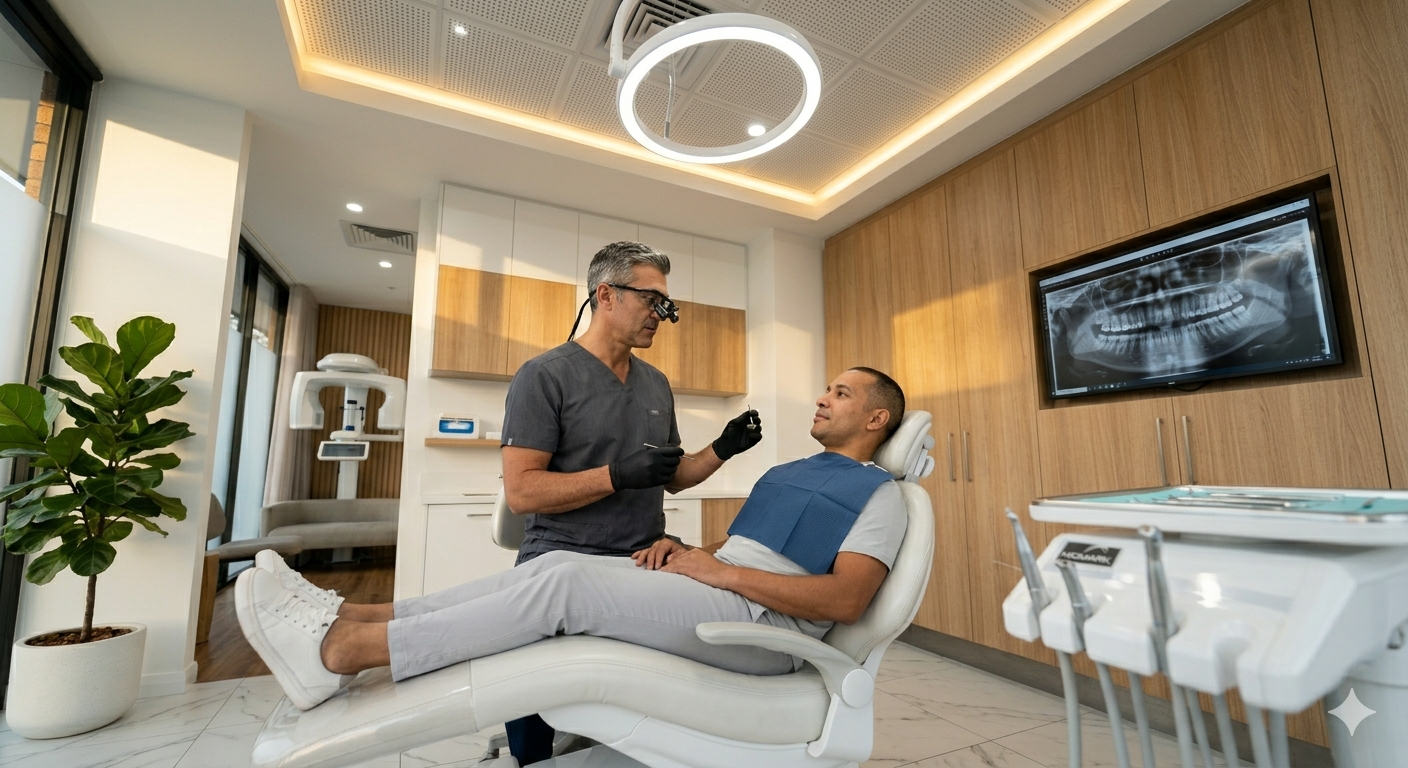
Temporomandibular joint (TMJ) disorders affect the jaw’s joints, muscles, and surrounding tissues, producing pain and movement problems. Patients often experience a mix of jaw pain, limited opening, and noises when chewing, which can impact daily activities like speaking and eating.
Common Symptoms
TMJ disorder symptoms vary by person but commonly include jaw pain localized near the ear, aching facial muscles, and soreness when chewing. Many patients report popping, clicking, or grinding noises during jaw movement; these sounds may or may not accompany pain.
Headaches that start at the temples or behind the eyes frequently occur, often mistaken for tension or migraine. Some notice ear-related symptoms — ear fullness, tinnitus (ringing), or transient hearing changes — because of the joint’s proximity to the ear canal.
Limited mouth opening (trismus) and episodes of the jaw locking open or closed can disrupt eating and dental care. Tooth sensitivity and increased tooth wear from clenching or grinding (bruxism) also appear alongside TMJ symptoms.
Causes and Risk Factors
TMJ disorders arise from a combination of structural, behavioral, and systemic factors. Joint damage from arthritis or trauma, such as a jaw injury, directly alters joint surfaces and disc position, leading to pain and dysfunction.
Muscle tension and parafunctional habits — chronic clenching, teeth grinding, or biting non-food objects — place persistent strain on the TMJ complex. Dental issues like an uneven bite or recent extensive dental work can change jaw mechanics and trigger symptoms.
Stress and sleep disorders contribute by increasing muscle tension and bruxism. Systemic inflammatory conditions (e.g., rheumatoid arthritis) and connective tissue disorders heighten susceptibility by affecting joint integrity. Age and sex play roles; joint degeneration increases with age, and women of reproductive age show higher prevalence, possibly linked to hormonal and pain-sensitivity differences.
Who Is Likely Affected
TMJ disorders can affect people of any age but most commonly appear in adults aged 20–50. Women report TMJ problems more frequently than men, especially during childbearing years.
People with chronic stress, poor sleep, or diagnosed bruxism face higher risk due to increased muscle tension and tooth grinding. Those with prior jaw trauma, inflammatory arthritis, or orthodontic changes should monitor for new jaw pain or dysfunction.
Dental patients who clench after restorative work, and adults with significant tooth wear, often develop TMJ symptoms. Clinicians assess these risk factors when recommending conservative treatments or referrals for imaging and specialist care.
Getting a Diagnosis in Tucson
Tucson clinics focus on identifying specific jaw mechanics, pain triggers, and related dental or medical issues. Patients receive targeted tests and clear next-step recommendations to guide comfortable, effective care.
Comprehensive Exams and Assessments
Clinics begin with a focused history of symptoms: when pain started, activities that worsen it, sleep and tension habits, and prior dental work. Doctors perform a hands-on exam of jaw range of motion, joint sounds (clicking or popping), and muscle tenderness to map the problem.
Imaging is commonly used: panoramic X-rays for teeth and jaw structure, CBCT for detailed bone anatomy, and MRI when soft-tissue or disc position clarity matters. Bite analysis and dental models may reveal occlusion problems that strain the joints.
Some practices use diagnostic appliances like a removable splint to test whether changing bite position reduces pain. Providers also screen for related conditions — sleep apnea, arthritis, or recent trauma — that can mimic or worsen TMJ symptoms.
When to See a Dental Expert
Patients should seek specialist evaluation if jaw pain persists more than two weeks, limits eating or speaking, or accompanies frequent headaches or ear pain. Immediate attention is warranted for sudden jaw locking or severe swelling.
Choose a provider with TMJ experience: an oral and maxillofacial surgeon, a prosthodontist, or a dentist who lists TMJ/TMD care and uses imaging and appliance therapy. Verify the clinic offers conservative options first — physical therapy, occlusal appliances, medication management — before recommending surgery.
Bring photos or a symptom diary documenting pain patterns and triggers. Sharing past dental records and sleep history speeds diagnosis and helps the clinician tailor a comfort-focused treatment plan.
Non-Surgical Relief Methods
Non-surgical approaches aim to reduce pain, restore jaw function, and prevent worsening without invasive procedures. They prioritize short-term symptom control and long-term habit changes tailored to individual needs.
Lifestyle and Home Remedies
Patients often start with simple changes at home that reduce strain on the jaw and speed recovery. They should follow a soft-food diet for several days to two weeks—foods like yogurt, mashed potatoes, and smoothies—avoiding hard, chewy, or crunchy items that require wide mouth opening. Applying a warm compress for 10–15 minutes three times daily relaxes muscles and eases pain; cold packs can help if swelling is present.
Good posture matters: sitting with ears aligned over shoulders and avoiding prolonged forward head position reduces neck and jaw tension. Avoid wide yawning and gum chewing; use a gentle yawning technique (support the jaw with a hand). Over-the-counter NSAIDs such as ibuprofen, used as directed, reduce inflammation and discomfort for most people.
Physical Therapy Options
Targeted exercises and manual therapy can re-balance jaw muscles and improve range of motion. A physical therapist trained in temporomandibular disorders will teach controlled opening and closing, resisted mouth opening for strength, and lateral excursions to correct movement patterns. Typically patients perform short sets—5–10 minutes, two to three times daily—progressing intensity as pain decreases.
Therapists may provide soft-tissue massage, myofascial release, and joint mobilization to reduce muscle tightness and restore normal joint glide. They often include neck and upper-back stretches because cervical posture influences TMJ mechanics. Some clinics use adjuncts like therapeutic ultrasound or low-level laser to accelerate tissue healing and reduce pain during the course of therapy.
Stress Reduction Techniques
Since clenching and grinding frequently worsen TMJ symptoms, stress management plays a key role in relief. Providers teach awareness techniques such as the “lips together, teeth apart” posture to stop daytime clenching and recommend setting hourly reminders to check jaw position. Nighttime bruxism often benefits from a custom occlusal splint made by a dentist to protect teeth and reduce muscle activity.
Behavioral strategies include progressive muscle relaxation, diaphragmatic breathing, and short guided mindfulness sessions—practices shown to lower sympathetic arousal linked to jaw tension. For persistent anxiety-related bruxism, referral to a mental health professional for cognitive-behavioral therapy or biofeedback can complement dental care and improve long-term outcomes.
Dental and Medical Interventions
These options aim to reduce jaw pain, improve function, and prevent further damage. They range from noninvasive oral devices to medications and targeted injections, each chosen based on symptoms, imaging, and patient health.
Custom Oral Appliances
Custom oral appliances are fabricated from impressions or digital scans of the patient’s teeth to fit precisely. They reposition the jaw or cushion teeth to reduce muscle tension and protect dental surfaces from grinding (bruxism).
A stabilization splint (flat plane) keeps the jaw in a neutral position and evenly distributes bite forces. A repositioning appliance guides the lower jaw slightly forward to unload a displaced disc when clinically indicated.
Patients usually wear appliances at night; some require daytime use for severe clenching. Adjustment appointments allow the dentist to refine fit and bite. Expected benefits include reduced morning pain, fewer headaches, and less tooth wear, typically noticeable within weeks to months.
Possible downsides include transient changes in bite, increased salivation, or need for ongoing adjustments. Long-term follow-up helps monitor TMJ symptoms and dental alignment. Cost varies by material and lab work; many Tucson practices provide pricing and financing options during consultation.
Medication Management
Medication targets pain relief, inflammation, and muscle spasm while serving as a bridge to longer-term therapies. Providers commonly prescribe NSAIDs (ibuprofen or naproxen) for short-term inflammation control at recommended doses.
Muscle relaxants such as cyclobenzaprine may be used for short courses to ease nocturnal clenching and reduce muscle tightness. For severe neuropathic pain, low-dose tricyclic antidepressants (amitriptyline) or gabapentin are sometimes considered under close supervision.
Topical analgesics and prescription-strength gels can act locally with fewer systemic effects. Corticosteroid injections into the joint are reserved for confirmed inflammatory arthropathy or persistent synovitis and are performed with imaging guidance in some clinics.
Clinicians assess interactions with existing medications, sleep effects, and medical history before prescribing. Medications rarely cure TMJ disorders alone but complement splints, physical therapy, or behavioral changes.
Botox for TMJ Pain
Botox (onabotulinumtoxinA) injections relax hyperactive masticatory muscles to reduce pain from chronic clenching and muscle hypertrophy. Clinicians map the masseter and temporalis muscles and inject small, precise doses to avoid affecting chewing function.
Patients often notice reduced pain and muscle tightness within several days to two weeks. Effects last about three to four months, so repeat treatments are necessary for sustained relief. Botox also can decrease tooth-grinding forces, which may slow dental wear.
Common side effects include temporary weakness in chewing, mild bruising, or asymmetry if dosing is uneven. Experienced providers use conservative dosing and follow-up to adjust placement. Botox works best as part of a multimodal plan, combined with splints, behavioral therapy, and home care.
Advanced and Surgical Treatments
These options address persistent pain, mechanical joint problems, or structural issues that didn’t respond to conservative care. They range from short outpatient procedures to more involved reconstructive surgeries, each with specific risks, recovery times, and candidacy criteria.
Minimally Invasive Procedures
Minimally invasive procedures aim to reduce pain and restore joint motion with limited tissue disruption. Arthrocentesis is a simple, office-based lavage of the joint to remove inflammatory byproducts and break mild adhesions; it typically uses local anesthesia and offers quick recovery within days to a week. Arthroscopy uses a small camera and instruments inserted through tiny incisions to remove scar tissue, release adhesions, or smooth damaged cartilage; it requires sedation or general anesthesia and carries low but present surgical risks. Intra-articular corticosteroid injections provide targeted anti-inflammatory relief and can be repeated but may have diminishing returns and potential cartilage effects over time. Hyaluronic acid injections are used to improve lubrication and can reduce mechanical friction for several months. Selection depends on imaging findings (MRI/CBCT), symptom duration, response to conservative care, and patient health; a thorough consultation with a TMJ specialist clarifies expected outcomes and short-term recovery protocols.
Jaw Surgery Considerations
When structural deformity, severe arthritis, or disc displacement causes persistent dysfunction, orthognathic or joint replacement surgery may be considered. Total temporomandibular joint replacement replaces the damaged joint with a prosthetic implant and suits end-stage degenerative disease or failed prior surgeries; it requires careful planning with 3D imaging, model surgery, and coordination between oral surgeons and prosthodontists. Disc repositioning or repair is less common now but may be appropriate for selected patients with reducible disc displacement and specific symptom patterns. Recovery timelines vary: orthognathic procedures often need 6–12 weeks for bone healing and several months for full functional return, while joint replacement follows staged rehabilitation with physical therapy. Risks include infection, nerve injury, implant wear, and need for revision; candidacy hinges on failure of conservative/minimally invasive care, realistic expectations, overall medical fitness, and willingness to follow a structured rehabilitation plan.
Choosing a TMJ Specialist in Tucson
Finding the right specialist means prioritizing experience with TMJ disorders, clear communication, and treatments that match the patient’s lifestyle and pain level. Practical details like office location, insurance accepted, and whether the clinician offers conservative first-line therapies also matter.
What to Look For
Look for a dentist or oral surgeon with specific TMJ training, such as a fellowship, postgraduate coursework, or membership in the American Academy of Orofacial Pain (AAOP). Years in practice treating TMJ disorders and a record of cases similar to the patient’s symptoms indicate relevant experience.
Confirm the clinic uses evidence-based diagnostics: digital occlusal analysis, CBCT or MRI access for complex cases, and documented clinical exam protocols. Prefer practices that emphasize conservative care first—night guards, physical therapy referrals, and bite adjustment—before invasive procedures. Check patient reviews for consistent reports about pain reduction, clear explanations, and compassionate staff.
Practical factors include office hours, bilingual staff if needed, telehealth availability for follow-ups, and whether the practice coordinates care with physicians, physical therapists, or ENT specialists. Transparent pricing, written treatment plans, and outcomes tracking show professionalism.
Questions to Ask Your Provider
Ask: “How many TMJ cases like mine have you treated?” and request examples of treatment pathways and typical timelines. This clarifies experience and expected recovery milestones.
Ask about diagnostics: “Will you order imaging, and which type?” and “What objective measures do you use to track progress?” These questions reveal how thorough and modern the evaluation will be. Also ask about conservative options: “What non-surgical therapies do you recommend first?” and “How do you decide when to escalate to an invasive procedure?”
Discuss coordination of care: “Do you work with physical therapists or pain specialists?” and financial logistics: “What does my insurance cover, and can you provide a written estimate?” Finally, ask about follow-up: “How often will I be seen, and do you offer telehealth check-ins?” These specifics help the patient choose a provider who fits their medical needs and practical constraints.
Supporting Long-Term Jaw Health
Maintaining jaw comfort and function relies on regular dental care and simple daily habits that reduce stress on the temporomandibular joint. Targeted dental work and consistent behavior changes together help prevent flare-ups and protect joint structures over time.
Preventive Dental Care
They should schedule dental exams every six months so dentists can spot bite changes, tooth wear, or restorations that alter jaw alignment. Early detection of cracked teeth, uneven fillings, or lost vertical height allows corrective treatment before the TMJ adapts to a harmful bite pattern.
Custom occlusal splints (night guards) often prevent tooth grinding and redistribute bite forces; the clinician fits and adjusts these devices based on jaw records. When wear or malocclusion is driving symptoms, selective enameloplasty, orthodontics, or replacement of worn crowns can restore a stable bite.
Regular periodontal care matters too. Untreated gum disease and tooth loss change chewing patterns and increase strain on the joint, so scaling, root planing, and timely prosthetic replacement reduce long-term risk.
Daily Habits for Healthy Joints
They should practice jaw-friendly behaviors: avoid hard, chewy foods like tough steaks, bagels, and whole apples, and cut food into smaller pieces. Limit gum chewing, nail biting, and habits like clenching during concentration, since repetitive muscle activity promotes pain and fatigue.
Incorporate simple home routines: apply moist heat for 10–15 minutes to relax muscles before activities that strain the jaw, perform gentle jaw opening/closing and side-to-side stretches recommended by a clinician, and use short massage strokes along the masseter and temporalis to reduce tension. Maintain good posture—keep the head level with the shoulders—to prevent forward-head positions that increase TMJ loading.
Stress-management techniques help because stress often triggers clenching. Try breathing exercises, short mindfulness breaks, or nightly relaxation rituals to reduce nocturnal bruxism. If conservative measures fail, they should consult a TMJ specialist to review behavioral therapy, physical therapy, or device options.
Embracing a Pain-Free Future
Patients living with TMJ pain often feel anxious about treatment, but many options exist that focus on comfort and gradual improvement. Providers in Tucson combine conservative measures with modern therapies to tailor care to each person’s needs.
Initial steps usually include education, self-care, and simple exercises that reduce strain and help muscles relax. These approaches are low-risk and can provide noticeable relief within weeks for many people.
If symptoms persist, professionals may recommend custom oral appliances, physical therapy, or targeted injections to reduce inflammation and improve jaw function. Each option aims to restore daily comfort while minimizing invasive procedures.
Advanced dental solutions—like occlusal adjustments or surgical referral—are reserved for specific cases when conservative care doesn’t resolve the issue. Clinicians emphasize prevention, teaching habits and night guards to protect the joint and prolong results.
Benefits of local care in Tucson:
- Familiarity with regional providers and referral networks
- Access to multimodal clinics combining dental and physical therapy
- Emphasis on patient comfort and paced recovery
Readers who want to explore personalized TMJ care are encouraged to ask their local dentist about a tailored plan. A short consultation can clarify options and set realistic, stepwise goals toward a pain-free future.
Frequently Asked Questions
This section answers practical concerns about jaw pain, treatment choices, non-surgical options, Botox use, allied-provider roles, and links between TMJ problems and sleep. Each answer gives specific signs, typical providers, what to expect from treatments, and when to seek evaluation.
What are the most common signs that jaw pain or clicking could be a TMJ disorder?
Persistent jaw pain localized near the ear, especially when chewing or yawning, often signals TMJ dysfunction.
Clicking, popping, or grinding sounds during jaw movement that accompany limited opening or jaw locking are also common red flags.
Frequent headaches, facial pain, or pain that radiates to the neck should raise suspicion for an underlying TMJ condition.
Which kinds of specialists can help with TMJ and orofacial pain, and how do I choose the right one?
Dentists with training in occlusion or a TMD/occlusal specialty provide initial evaluation, bite analysis, and oral appliance therapy.
Oral and maxillofacial surgeons manage structural problems and perform surgical interventions when conservative care fails.
Orofacial pain specialists, often dentists with fellowship training, treat complex chronic pain and coordinate multidisciplinary care.
Physical therapists experienced in TMJ disorders help with muscle and joint mechanics. Choose a provider who documents TMJ-specific training, offers a diagnostic exam, explains conservative first-line options, and coordinates care when multiple specialists are needed.
What non-surgical treatments can help TMJ symptoms, like night guards, physical therapy, or stress management?
Custom night guards (occlusal splints) reduce teeth grinding, redistribute bite forces, and often lessen muscle pain within weeks.
Physical therapy uses jaw mobilization, stretching, posture correction, and home exercises to improve range of motion and reduce tension.
Behavioral approaches—biofeedback, cognitive strategies, and relaxation techniques—target bruxism driven by stress.
Medications such as short courses of NSAIDs, muscle relaxants, or low-dose tricyclics can control pain while conservative therapies work.
Dentists generally recommend trying non-surgical measures for several weeks to months before considering invasive options.
How does Botox help with TMJ-related muscle tension, and what should I expect from the process?
Botox injections temporarily reduce excessive masseter or temporalis muscle activity to decrease pain and clenching.
A trained clinician maps injection points in-office, injects small doses, and typically sees symptom reduction within 7–14 days.
Effects last about 3–4 months, so repeat treatments are required for ongoing benefit.
Risks include temporary weakness in chewing muscles, asymmetry, or mild bruising; a qualified provider will review risks and set realistic expectations.
Can a chiropractor or other provider help with TMJ symptoms, and when is dental care still important?
Chiropractors and osteopaths may offer cervical spine adjustments, soft-tissue work, and posture correction that reduce referred pain to the jaw.
These approaches can benefit patients whose TMJ symptoms stem partly from neck or posture issues.
Dental evaluation remains important when tooth wear, bite problems, or occlusal imbalance contribute to jaw pain.
Coordinate care so chiropractic or manual therapy complements, rather than replaces, dental diagnosis and conservative dental treatments.
How are TMJ issues connected to sleep problems like snoring or sleep apnea, and when should I get evaluated?
Bruxism and jaw positioning can worsen snoring and may interact with airway dynamics during sleep.
Patients with daytime sleepiness, loud nightly snoring, witnessed apneas, or high-risk features (obesity, large neck circumference) should get a sleep evaluation.
Dentists trained in dental sleep medicine can fit oral appliance therapy for mild-to-moderate sleep apnea and coordinate with sleep physicians for testing or CPAP when needed.
Seek evaluation if jaw symptoms coexist with sleep complaints, because combined treatment often improves both pain and sleep quality.